The ride to better health starts now
Movember means moustaches… But as they take over the conversation it’s important not to lose sight of the real conversation: prostate and testicular cancer, mental health struggles, and the silent pressure to appear ‘fine’ – the health issues men too often ignore.
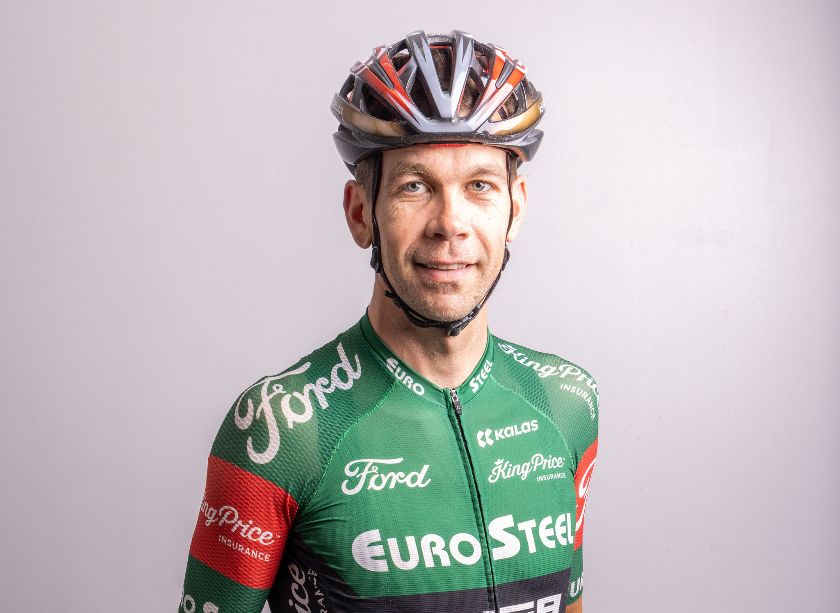
For King Price Xtreme mountain biker Phillip Buys, these aren’t abstract ideas. They’re real, lived priorities: “Cycling is all about balance. And that balance has to include your health. Physical, mental, and everything in between.”
A natural high for body and mind
If you’ve ever gone for a long ride and returned feeling clearer, calmer, and lighter, there’s science behind that. Exercise triggers endorphins that lift your mood and reduce stress hormones like cortisol. Cycling adds another layer: time outdoors, exposure to sunlight (and vitamin D), and the simple rhythm of movement that resets your mind.
Studies consistently link regular physical activity with lower rates of depression and anxiety and, for men, who’re statistically less likely to seek help for mental health issues, exercise can be a vital first step towards feeling better.
The saddle question: fact vs fiction
There’s long been debate about whether hours in the saddle could harm men’s prostate or testicular health. Recent research suggests the concern is overstated.
An international study comparing nearly 4,000 male cyclists to swimmers and runners found no significant differences in urinary or sexual function. Another review confirmed that cycling doesn’t raise PSA (prostate-specific antigen which is a key marker for prostate cancer) levels in healthy men.
However, how you ride matters. “It’s not about the hours you spend cycling; it’s about posture, pressure, and equipment,” says Buys. “If you’ve got a bad saddle fit or poor bike setup, you’ll feel it, and ignoring discomfort is never a good idea.”
Experts agree. Perineal pressure (that’s the area between your genitals and your sitting bones) can restrict blood flow and cause numbness or tingling if left unaddressed. Solutions are simple but important:
- Choose a cut-out or ‘no nose’ saddle.
- Keep handlebars level or slightly higher than the saddle.
- Stand up on the pedals for 20% of your ride to relieve pressure.
- Take breaks on long routes and stretch before and after.
Check yourself before you wreck yourself
While the cycling-related risks are manageable, regular screening is non-negotiable. Prostate cancer remains the most diagnosed cancer among South African men, and testicular cancer is the most common among men aged 15-39.
Men over 40 should have annual prostate exams, and every man, regardless of age, should perform monthly self-checks for lumps or changes in the testicles.
“The earlier you detect something, the better your chances. You’d service your bike before a big race so why not do the same for your body?” says Buys.
Riding for the long haul
Cycling offers an extraordinary return on investment for men’s health: stronger hearts, leaner muscles, improved circulation, sharper focus, and better mood. But it’s not just about fitness, it’s about connection. “There’s a community that forms when you ride with others,” Buys says. “We motivate each other, and that’s something every guy needs, to know he’s not alone.”
And that’s exactly what Movember stands for: starting conversations, taking care of yourself, and showing up for others.